
Queensland Colonial Police
Case File No. 1878-0347
The Great Cattle Heist
The Burnett Boys & the Longest Cattle Drive in Criminal History
Evidence Summary
~1,000 head
Stolen Cattle
2,000+ km
Distance Driven
£500
Reward Offered
0
Suspects Identified
None
Convictions
~6 months
Duration of Drive
🔦 Secret Clue — Near the Cattle Evidence
"Look closer at the ears... the 'square-cut' mark was made over the original station notch while the herd was still moving through the South Burnett scrub."
Case Narrative
In the late 1870s, a gang of daring cattle duffers — known locally as the "Burnett Boys" — executed what remains the longest cattle drive in Australian criminal history. Their audacity was matched only by their meticulous planning.
The gang quietly mustered nearly 1,000 head of prime cattle from stations across the Burnett region over several weeks. Rather than attempting to sell the stolen stock locally — where brands would be immediately recognised — they drove the entire mob south through 2,000 kilometres of unforgiving bush.
Their most ingenious innovation was the "scullery brand" — a heated wire device used to alter the original brands on every animal so skilfully that even experienced stock inspectors could not distinguish them from legitimate marks.
Despite a £500 reward — the largest ever offered in the Burnett District — not a single member of the gang was ever identified or apprehended. Persistent rumours suggest several returned to the region under assumed names, living out their days as wealthy and "respectable" men.
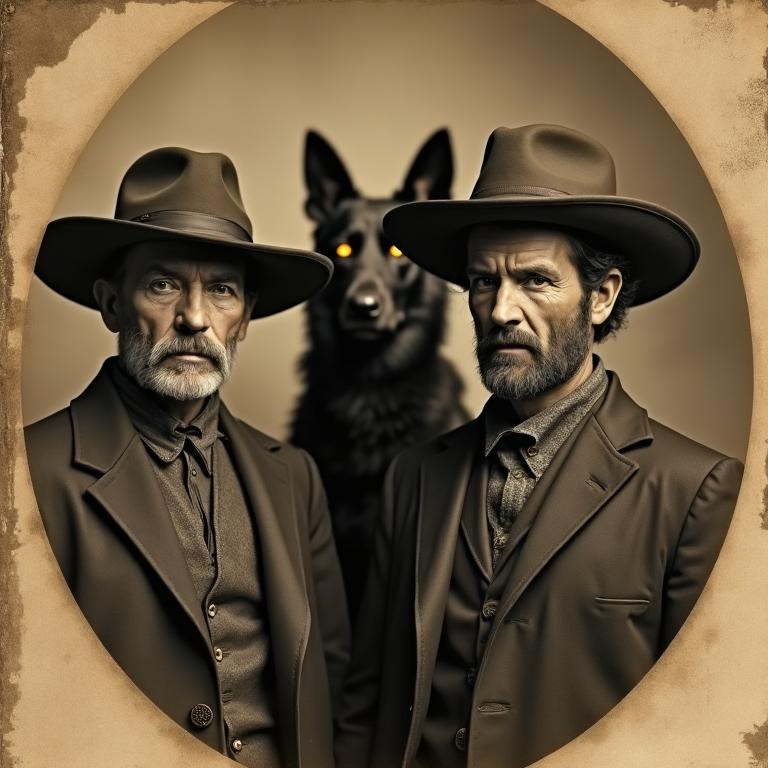
Artist's impression — no authenticated photographs exist
🔦 Secret Clue — Near the Wanted Poster
"The £500 reward was never claimed. It is whispered in Gayndah that the 'informant' was actually one of the Boys themselves, leading the police on a wild goose chase toward the coast while the herd headed inland."
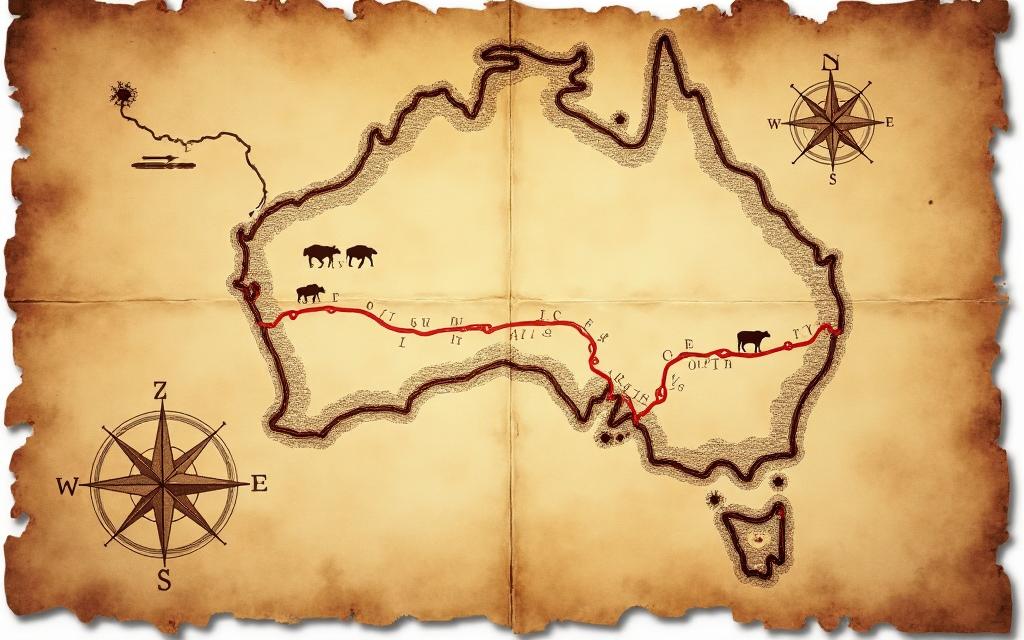
Related Tale
Read the full folklore version in Tales & Mystery, including the Duffer's Game.
🔦 Secret Clue — At the Bottom of the Scroll
"The scullery brand wasn't iron. They used sharpened wire heated over a small, smokeless brigalow fire to avoid detection by mountain patrols."